You use writing paper when you learn, plan, or share ideas, and write notes, letters, and daily reminders on it. So paper plays an important role in everyday life, even with digital tools around you. Paper use remains large worldwide, and global paper and paperboard production reaches 400.9 million metric tons every year. Paper and cardboard consumption stands at 401.4 million metric tons. Asia produces 54 percent of the world’s paper, which supports schools, offices, and personal writing needs. These numbers show how often people still rely on paper to write and think. Many people select writing paper without knowing how it affects handwriting or comfort. This guide explains the types of writing paper and their common uses in clear terms. You will learn how different papers support daily writing, learning, and letters. This blog helps students, writers, teachers, and anyone who wants paper that works well for writing. The next section explains what writing paper means and how people use it today.
What Is Writing Paper and How Do People Use It?
Writing paper made from cellulose fiber with a smooth surface and a size that helps everyone with clear and controlled writing. People choose writing paper based on how they write and what they need to write. You use paper in everyday situations, and students use it for notes and practice. Professionals use it for records and planning. Many people still prefer writing on paper for tasks that need focus and clarity. Writing by hand helps slow thinking and improve recall, which makes paper useful beyond habit. Writing paper exists in different forms because writing needs change. Some tasks need guidance from the line. These differences explain why no single paper fits every writing task.
Common Types of Writing Paper
Everyone uses paper for different tasks, so different tasks require different features, like notes need guidance, personal writing requires comfort, and practice needs structure. These requirements explain why common paper types exist.
Plain Writing Paper
Plain writing paper has a clean surface with no lines or guides. It allows complete freedom in how you write or draw. People use this for rough work, sketches, drafts, and creative writing. It suits tasks where structure may limit expression.
Lined Writing Paper
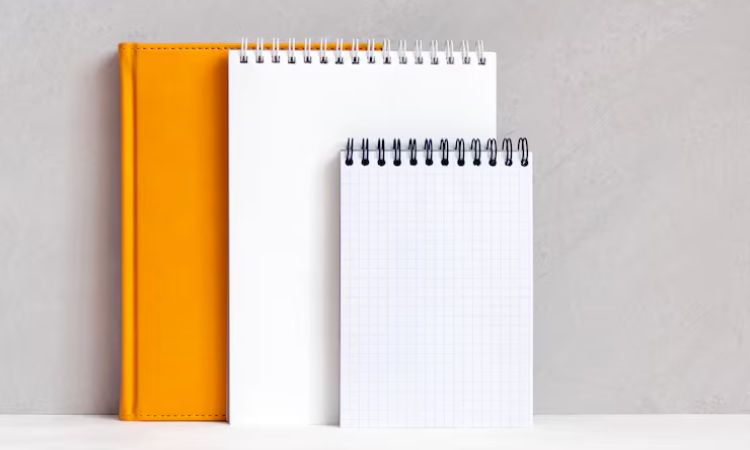
Lined writing paper uses evenly spaced rules to guide letter size and alignment. The lines help keep words straight and spacing consistent and reduce strain and improve readability. Students generally use lined writing paper for notes and study work. The structure helps them to write fast with clarity. This type of paper is good for long pages and repeated writing.
Graph Paper
Graph paper is paper printed with a grid of small, equal squares, and the grid helps control spacing and alignment. People use graph paper for math problems, charts, diagrams, and technical drawings. This paper is good and suitable when accuracy and measurement are important.
Cursive Writing Paper
Cursive writing paper helps your letters move together easily. The smooth slant and clear spacing guide your hand and keep the writing steady, and your words begin to flow instead of breaking apart. This kind of paper also trains your hand over time. You stop lifting the pen after every letter. The motion feels smoother and more relaxed. That is why cursive writing paper works well during practice. It helps you improve flow, control, and confidence as you write more.
Legal Writing Paper
Legal writing paper is longer than standard paper and offers wider spacing. This extra space makes it easier to organize, and your writing stays clear and easy to read. Professionals use legal paper for documents, agreements, and official records. The format supports structured writing and helps keep important points separated and readable.
Paper With Writing Guides
Paper with writing guides contains baseline markers, midlines, and height signs. These guides show where letters should start and end. They help beginners understand shape and proportion. This structure helps handwriting improvement through repetition, and writers learn control before speed.
How Paper Quality Affects the Writing Experience
Paper quality changes how your pen moves, how ink behaves, and how writing feels. The right paper makes writing smooth and controlled, and poor paper creates drag and spreads ink. The quality of paper depends on weight, surface, and how it handles ink. These factors decide whether writing feels easy or tiring. They also affect how clear your words look after you finish writing.
Paper Weight and Thickness in Writing Paper
Paper weight refers to how thick and sturdy the paper feels. Lighter paper bends easily and works for quick notes or short writing. Heavier paper feels firm and stays flat while you write. Heavier paper works better for longer sessions and ink-based pens. It reduces ink show-through and keeps pages clean. Lighter paper suits everyday tasks where speed matters more than finish. Paper weight also affects durability. The durable paper lasts longer and handles repeated use better. This issue leads naturally to how the paper surface feels under your best pen.
Paper Finish and Pen Compatibility
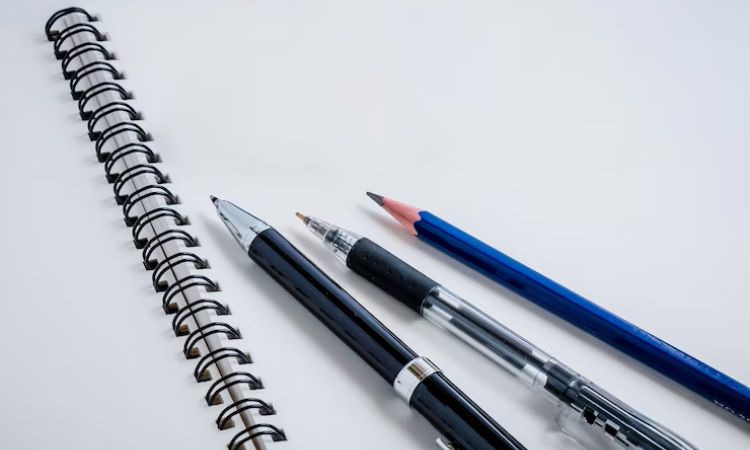
Paper finish describes how the surface feels when you touch it. Smooth paper lets the pen glide with little effort. Textured paper adds light resistance and slows the movement. Ballpoint pens work well on most finishes. Fountain pens need paper that controls ink flow and keeps it from spreading. The right surface prevents feathering and keeps strokes clean. If you want to know more about pens, explore our blog on the best pens for writing smoothly.
Ink Bleed and Show-Through Issues
Ink bleed happens when ink spreads past the edges of letters. Show-through appears when ink is visible on the back of the page. Both problems make writing harder to read. Good paper controls how ink absorbs and keeps lines sharp. This is important during studying, planning, or formal writing. Clean pages help you focus on your words instead of correcting smudges or marks. Paper quality directly affects learning and focus. The next section explains how writing on paper supports concentration and memory.
How Writing Paper Supports Learning and Focus
The right paper supports focus, structure, and memory. It gives your hand clear guidance and removes small distractions that break attention. When the page feels right, it becomes easier to stay engaged with what you write.
Writing by hand also slows the process in a helpful way. The paper surface, spacing, and layout shape how information is recorded and remembered. This link between paper and thinking connects closely with the psychology of writing, where structure helps improve focus and memory.
How Structured Writing Papers Help Students Study
This paper is helpful for students because it uses clear lines, margins, or sections to organize information. This layout helps students separate ideas and keep notes easy to read. Students rely on structured paper to follow lessons, revise topics, and summarize key points. Clear spacing reduces visual clutter and makes review easier later. When notes stay clean and organized, learning feels less tiring and more controlled.
Writing Paper vs Typing Paper: What Is the Real Difference?
Writing paper supports handwriting control, while typing paper focuses on print clarity. Each type serves a different purpose, and using the wrong one can affect results. Writing paper offers surface grip and structure that guide the hand. It helps control letter shape, spacing, and ink flow. This makes it better for notes, practice, letters, and long writing sessions. Typing paper is designed for printers and copiers. It focuses on smooth feeding and clean ink or toner output. The surface stays uniform to prevent jams and smudges during printing.
How to Choose the Right Writing Paper for Your Needs
The right paper depends on how you write, what you write, and the tools you use. When paper matches your habits, writing feels smoother and needs less effort. Start by thinking about your purpose. Notes and study work require guidance and clear lines. Letters need a clean and presentable look, especially in professional settings. In such cases, businesses select branded paper to create a consistent impression, which is where custom stationery becomes useful. For more information, you can explore the blog on benefits of using custom stationery for your business.
What to Check Before Buying Writing Paper
Before buying any paper, everyone should keep in mind these points and check before buying: what is my writing purpose, what type of pen or pencil am I using, the line style of the paper, and the paper thickness. When paper fits your writing style, the process feels natural and familiar.
Conclusion
Writing paper shapes how you write and how your words look. Different types of paper serve different needs. Lined paper supports clarity, and guided paper helps learning. Cursive paper improves flow. Plain and graph paper offer freedom and accuracy. Legal paper supports formal records.
Selecting the right paper helps to write clearly and makes tasks feel more controlled and focused. When you understand how paper type, quality, and purpose connect, you choose with intention instead of habit. The right writing paper supports your work quietly and lets your words stay in focus.
FAQs
What are the different types of writing paper?
There are different types of writing paper according to different uses, like plain paper, graph paper, cursive writing paper, lined paper, and legal paper.
Which is better, 70 GSM or 75 GSM?
75 GSM paper is better than 70 GSM because it is thicker, reduces see-through, and controls ink better.
What are 10 uses of paper?
People use paper for different purposes and according to their requirements, so the common uses of paper are writing notes, storing records, studying, letter writing, drawing, printing documents, recording information, planning tasks, creating diagrams, and signing agreements.
What type of paper is best for writing?
The best paper for writing is lined writing paper with medium thickness, around 75 GSM. It keeps handwriting clean and controls ink.