A good card holder will change your daily carry more than people think. Organizes your most-used cards, trims the fat off your pocket, and gives you instant access without digging through a stuffed wallet. It’s 2026. Contactless payments and digital IDs are the norm, and more people are opting for compact, intentional carry solutions that fit the way they live. This blog helps you to know the main types, real-world uses, material differences, and what to check before buying. By the end, you will know exactly which option fits your needs.
Key Takeaways
- This type of accessory keeps your essentials organized in a slim, accessible format
- Six main types exist, each suited to a different purpose and setting
- Material affects durability, appearance, and long-term value
- RFID protection matters for anyone carrying contactless cards
- The right pick matches your routine, not just your price range
What Is a Card Holder and Why Is It Still Useful in 2026?
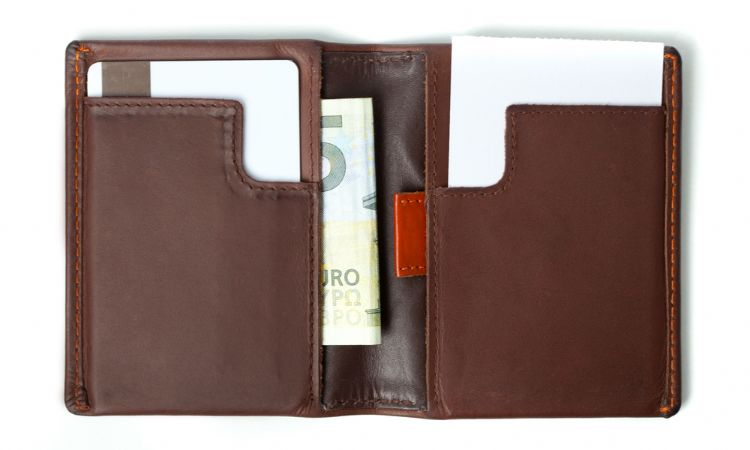
A card holder is a slim accessory designed to store and organize cards such as credit cards, business cards, ID cards, and transit passes. It keeps your essentials in one accessible place without the thickness of a traditional wallet.
Why Choose It Over a Traditional Wallet?
Most people carry between four and six cards daily. A traditional wallet holds all of that plus cash, old receipts, and everything else that collects over time. The result is a thick, heavy carry that most people would prefer to leave behind.
This type of accessory does one job well. You put in what you use, and everything else stays home. There is a practical side and a professional side to this. On the practical side, you access your cards faster. On the professional side, pulling a slim, well-made accessory out during a meeting signals that you keep your things in order. It reads the same way a clean notebook or a quality pen does.
What Are the Different Types?
A card holder looks like a simple accessory, but different designs serve different needs. Some focus on everyday convenience, while others are built for professional networking, security, or premium style. Understanding the main types can help you narrow your options and choose one that fits how you carry, organize, and use your cards.
1. Business Card Holders
A business card holder is built for professional networking. It protects printed cards from bending, moisture, and creasing, so every card you hand over looks sharp. If you attend client meetings, trade shows, or industry events with any frequency, this type pays for itself quickly. A bent or frayed card is a little thing that makes a big impression.
2. Credit and ID Card Holders
This is the most common type. A credit and ID card holder holds your debit card, credit cards, transit pass, and ID in a slim profile that fits a front pocket without bulk. Most designs hold four to eight cards, covering the daily essentials for most people. The slim build removes the habit of sitting on a thick wallet or fishing through a bag to find what you need.
3. Gift Card Holders
Presentation changes how a gift lands. Sliding a gift card across a table feels careless. Presenting it in a dedicated gift card holder feels considered. For personal occasions, it adds care to the gesture. For corporate settings, branded options work well for client appreciation, seasonal programs, and employee recognition. The cost difference is small. The perceived value difference is not.
4. RFID Card Holders
An RFID card holder includes a blocking layer that stops unauthorized scanning of your contactless cards. Modern credit cards, transit passes, and government IDs increasingly carry RFID or NFC chips, and a basic case does not protect against electronic scans. An RFID-blocking design addresses this issue without adding meaningful weight. For frequent travelers and city commuters, this feature is worth building into your criteria.
5. Leather Card Holders
Leather suits formal environments, casual offices, and most settings in between. A quality leather card holder develops a natural patina with regular use, often looking better after a year than when new.
Full-grain leather holds up the longest and ages with real character. Top-grain leather offers a cleaner, more uniform surface while still performing well over years of daily use. Bonded leather wears out noticeably faster and is worth avoiding if you plan to use yours every day. If you already carry leather legal pads to meetings, a matching leather option pulls your professional accessories together without extra effort.
6. Designer and Luxury Card Holders
Designer options offer premium materials, tighter construction, and noticeable quality. For executives, a luxury card holder functions as a quiet signal of attention to detail.
The difference between a quality mid-range option and a luxury one is not always functional. It shows in the precision of the stitching, the finish on the edges, and the weight and texture of the leather itself.
Types at a Glance
| Type | Best For | Main Advantage |
| Business | Networking | Professional presentation |
| Credit and ID | Daily carry | Compact and accessible |
| Gift | Special occasions | Better perceived value |
| RFID | Security | Contactless protection |
| Leather | Long-term use | Durability and appearance |
| Designer and Luxury | Premium users | Craftsmanship and style |
How Do You Use a Card Holder in Real Life?
A card holder can be useful in more situations than many people realize. Looking at common use cases can help you identify which style best fits your daily habits, work environment, and organizational requirements.
1. Daily Organization
The same principle applies to office organization, where file folder dividers help keep important documents separated and easy to locate. You reach for your cards without thinking. That small improvement adds up across hundreds of daily interactions.
2. Business Networking
Retrieving a card from a dedicated case looks cleaner than pulling one from a pocket or a notebook. Many professionals also carry custom legal pads during networking events and client meetings to reinforce their brand while keeping notes organized. Placing a contact’s card directly into the holder after receiving it keeps it intact rather than lost in your jacket.
3. Corporate Events and Trade Shows
At trade shows, you meet many people quickly. A business card holder with room for both outgoing and incoming cards speeds up every interaction without the mess of loose cards across multiple pockets.
4. Professional Meetings and Client Interactions
How you present your card during a client meeting is one of several small details that shape a first impression. Accessories that work together, from a legal pad portfolio to your everyday carry, signal consistency. That consistency is noticed even when it is not commented on. That consistency is noticed even when it is not commented on.
5. Corporate Gift Giving
A quality card holder makes a practical and lasting gift. It works for new hires, long-term clients, and employee recognition programs. It is useful from day one, holds up for years, and carries more perceived value than most gifts at the same price point.
Which Material Is Best for Your Needs?
The material of a card holder affects its durability, appearance, and everyday comfort. Comparing the most common options can help you find one that matches your budget, lifestyle, and professional needs.
1. Leather
Leather remains the most popular choice because it performs across most settings and improves with age. Full-grain is the strongest option. Top-grain offers a cleaner, more consistent look while holding up well over time.
2. Metal
Metal designs offer a strong, scratch-resistant build with a detailed, modern look. Aluminum and stainless steel are both lightweight and durable. Most metal versions include built-in RFID blocking, which makes them a practical choice for security-focused users. The main limitation is flexibility. A metal case holds exactly the number of cards it was designed for, with no room for extras. Some users find this limiting.
3. Fabric and Synthetic
Fabric and synthetic materials are the most affordable and lightest options. Canvas, nylon, and polyester hold up reasonably well for casual use. They do not carry the visual weight of leather or metal, but for anyone who prioritizes low cost and low weight, they work.
If you regularly carry vinyl portfolios to client meetings, pairing them with a leather card holder in a complementary finish keeps your professional carry consistent.
Material Comparison
| Feature | Leather | Metal | Fabric |
| Durability | High | Very High | Moderate |
| Appearance | Premium | Modern | Casual |
| Weight | Light | Medium | Light |
| Flexibility | High | Low | High |
| Price Range | Medium to High | Medium to High | Budget-Friendly |
How Do You Choose the Right Card Holder?
Five practical questions will get you to the right answer faster than any product review. Work through this checklist before buying:
- Count your cards. If you carry more than eight items daily, look at slim wallet hybrids rather than a standard card holder.
- Match material to setting. Leather suits most professional environments. Metal works for a modern or minimal look. Fabric suits casual and outdoor use.
- Check for RFID protection. If your cards use contactless technology, a blocking layer adds almost no bulk but closes a real security gap.
- Examine the construction. Check the stitching, the card slots, and how the case holds its shape. A well-made card holder does not let cards slip out or become difficult to remove after a few weeks of use.
- Weigh value, not just price. A quality option at a mid-range price outperforms a cheap one within months. Investing more upfront on materials reduces replacement cost over time.
What Buying Mistakes Should You Avoid?
There are many mistakes that everyone should keep in mind when buying a card holder because most mistakes come from focusing on the wrong factor.
1. Buying on Appearance Alone
An option that looks good but falls apart quickly is not a deal at any price. Check material quality and construction before committing. Appearance matters, but it should not be your only consideration.
2. Choosing the Wrong Capacity
Buying a card holder that holds four cards when you carry eight creates frustration from day one. Count your cards before shopping and choose a size with a little room to spare.
3. Ignoring Material Quality
Cheap materials wear fast, and bonded leather peels. Thin metal bends; low-grade fabric pills. If you use your card holder every day, the material needs to handle that without breaking down within months.
4. Skipping Security Features
If you carry contactless cards, an unprotected case leaves those cards exposed to skimming. RFID blocking costs very little extra and prevents a specific, real risk. Make it a requirement.
5. Paying for a Brand Name Alone
A luxury card holder is worth its price when the materials and construction justify it. If the only premium is the logo, a quality mid-range option will serve you better for less money.
Conclusion
Choosing the right card holder starts with understanding how you actually carry your cards. The type you need depends on your setting. The material depends on your style and how often you use it. Security features matter if contactless cards are part of your daily routine.
A leather option suits most professionals. A metal case works well for anyone who wants built-in RFID protection and a modern look. Fabric is a practical choice for casual everyday carry on a tighter budget. Many professionals pair a quality card holder with professional writing pads to create a more organized and efficient everyday workflow. Get those three things right, and your card holder will stay useful for years.
FAQs
What is the best material?
Leather works best for most users. It balances durability, appearance, and flexibility across different settings. Full-grain leather lasts the longest. Metal is the better choice when built-in RFID protection and a modern aesthetic are your priorities.
Does RFID blocking really work?
Yes. The metallic lining disrupts the radio frequency used by contactless scanners. Independent testing confirms it prevents standard RFID readers from accessing cards stored inside.
How many cards does one hold?
Most standard designs hold four to eight cards. Slim profiles hold four to six. Larger bifold designs hold eight or more. Business options built for networking typically hold ten to twenty.
Can it replace a traditional wallet?
For most people, yes. If you rarely carry cash and do not need space for receipts, a slim card holder covers the daily essentials. Those who carry cash regularly may prefer to use one alongside a minimal wallet.