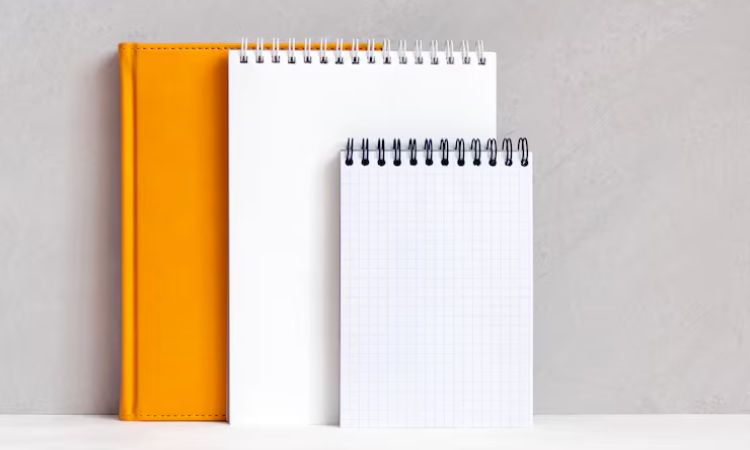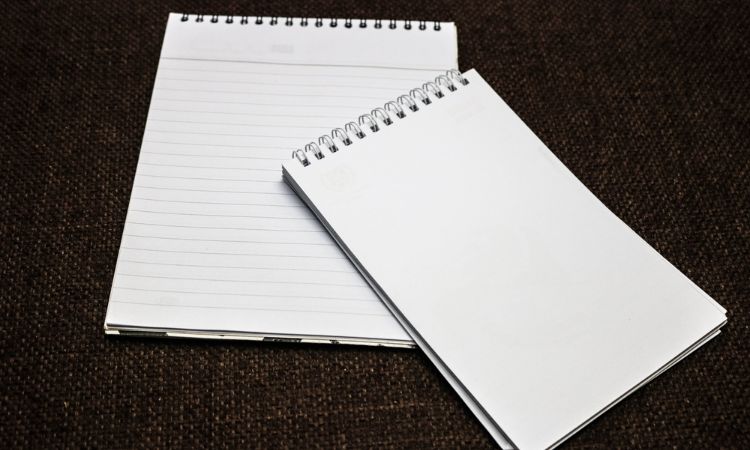
Note pads are one of those tools that never really go out of style. You pick one up, write something down, and move on. No app, no login, no distraction. That simplicity is exactly why they remain a staple in offices, classrooms, and homes around the world. Whether you need something for quick meeting notes, daily tasks, or branded giveaways, the right pad makes a real difference. This guide covers every major type, which one works best for, what to look for before you buy, and why some formats have lasted for decades.
Key Takeaways
- Note pads come in many formats, each built for a specific use case.
- Yellow pads are still a popular choice for contrast and readability.
- Custom and personalized options fulfill different business needs.
- Paper quality, size, and binding all affect day-to-day usefulness.
- Matching the format to your task saves time and keeps ideas organized.
What Are Note Pads?
Before choosing a format, it helps to understand what separates a note pad from other writing tools and why that difference actually matters for how you work.
A note pad is a stack of sheets bound together at the top or side, designed for short-form writing. Each sheet tears away cleanly after use. Most are compact enough to sit on a desk, fit in a bag, or get passed around a meeting room.
They work well for keeping track of quick reminders, writing meeting points, listing tasks, or recording ideas on the go. Note pads are not for long-form writing like notebooks, however. They’re built for speed and convenience.
How Are Note Pads Different From Notebooks and Legal Pads?
These three formats look similar on a shelf, but they serve different purposes. Knowing the difference helps you avoid buying the wrong one for your actual writing habits.
| Feature | Note Pad | Notebook | Legal Pad |
| Sheet binding | Top-glued or stapled | Spiral or sewn | Top-glued |
| Sheet count | 25–100 sheets | 50–200 pages | 50 sheets |
| Common size | 4×6 to 8.5×11 | Varies | 8.5×14 |
| Primary use | Quick notes, lists | Extended writing | Professional drafting |
| Tear-off sheets | Yes | No | Yes |
A legal pad is technically one type, but it has a distinct size and ruled format tied to professional work. Notebooks are meant to be kept intact and filled over time. Note pads sit somewhere in between: structured enough for work, fast enough for everyday use.
What Types of Note Pads Are Available?
Not every pad works for every situation. Each format has a specific design purpose, and picking the right one makes daily writing feel natural instead of forced. For a broader look at your options, this guide to writing pad types covers the full range in detail.
Memo Note Pad
Memo pads are small, usually 4×6 inches, and designed for short messages. You will find them on reception desks, in kitchens, and near phones. They are perfect for writing quick notes to leave for someone else or to note a thought before it disappears.
Businesses often use them as branded giveaways because they are inexpensive and more visible than most promotional items. If you want fresh ideas on getting more out of this format, check out these creative uses of memo pad strategies that go beyond standard office use.
Note Paper Pads
Note paper pads are the most general-purpose option in this category. They come in a range of sizes and ruling styles, including blank, lined, and grid. Students, freelancers, and office workers all reach for these when they need space to write without a strict structure.
Grid-ruled versions work well for sketching layouts, wireframes, or budgets. Lined versions keep handwriting neat during lectures or brainstorming sessions. If you tend to switch between tasks throughout the day, a lined notepad in letter size gives you the most flexibility.
Yellow Note Pads
Yellow pads have a long history in American professional settings. The yellow background improves contrast against blue or black ink, which makes writing easier to read under office lighting. Many lawyers, writers, and executives still prefer them because the color reduces eye strain during long writing sessions.
They also carry a certain familiarity. Seeing a yellow pad on a desk signals focus and seriousness. That association has kept them relevant even as digital tools have taken over most other tasks.
Custom Note Pads
Custom note pads include your business name, logo, tagline, or contact details printed on every sheet. When a client writes on your pad, your brand stays in view the entire time. That kind of passive visibility is hard to replicate with most other marketing tools.
They work well at trade shows, in welcome kits, and as client gifts. Businesses that distribute custom notepads consistently report stronger brand recall compared to standard promotional items.
Personalized Note Pads
Personalized pads go a step further than custom ones. Instead of generic branding, they feature individual names, departments, or personal design choices. A sales team might get pads with each rep’s name on them. A teacher might use pads printed with their classroom name.
The difference matters. Custom pads build brand identity. Personalized pads build individual connection. Both serve real purposes, but they work best in different situations.
Which Note Pads Are Best for Different Needs?
The best format depends entirely on how and where you write. A pad that works well in a boardroom feels clunky on a student’s desk. This section breaks down the right choice for each common situation.
For Work and Meetings
A standard lined pad in letter size (8.5×11) works best for capturing meeting notes. It gives you enough space to write full sentences and draw quick diagrams without running out of room. Keep one on your desk and a smaller one in your bag for off-site meetings.
If you prefer something smaller for action items and quick follow-ups, a memo pad by the keyboard keeps things within reach without cluttering your workspace.
For Daily Planning and To-Do Lists
A mid-size pad, around 5×8 inches, is the sweet spot for daily planning. It is large enough to hold a full task list but small enough to sit beside your laptop without taking up too much desk space.
Grid-ruled works especially well here. The structure helps you organize tasks by time, priority, or project without needing a printed planner. Many people find that a simple grid pad replaces entire planning systems they once paid for.
For Students and Study Notes
Students benefit most from lined pads in A4 or letter size. They provide enough room for detailed notes and fit most ring binders without extra trimming. Some students also keep a steno pad nearby for shorthand notes during fast-paced lectures.
If you are not sure how to use that format well, this guide on how to use a steno pad walks through the basics clearly. It covers writing styles, layout tips, and how to review notes after class.
For Branding and Promotions
Custom pads outperform most other branded items in one key way: they get used every day. A branded pen gets lost in a drawer. A branded writing pad sits on a desk for weeks. Every page your client tears off keeps your name visible. Personalized pads work better for internal teams, client onboarding kits, or situations where you want a more personal touch than a generic logo item provides.
What Should You Look for When Buying Note Pads?
Buying a pad without checking the basics leads to frustration. Ink bleeds through thin paper, covers bend, and sheets tear unevenly. Checking three things before you buy saves you from replacing a pad too soon.
Paper Quality
Thin paper bleeds ink and tears easily under ballpoint pressure. Look for 60 lb or 70 lb paper if you write with ballpoint or felt-tip pens. If you use fountain pens or markers, go for 80 lb or higher.
Thicker paper holds ink without ghost marks showing through to the next sheet. Finish matters too. Smooth paper suits fine-tip writing. Slightly textured paper works better with pencils and certain gel pens.
Size and Sheet Count
Match the size to your use case. Small pads (4×6) work for quick messages and phone notes. Medium pads (5×8) suit planning and meeting notes. Large pads (8.5×11 or legal size) are best for detailed writing and drafts.
For legal-specific sizing, this breakdown of legal pad size explains the standard dimensions and when to use them. Sheet count affects how long a pad lasts. A 50-sheet pad works for light use. High-volume writers should look for 100-sheet pads to cut down on reorders.
Binding Style
Top-glued binding is the most common style. Pages tear away cleanly, and the pad stays flat on a desk without curling. Side-spiral binding lets you fold the pad back on itself, which is useful when writing while standing or moving.
Stapled binding is more durable and suits pads carried in bags or used in fieldwork. If you write outdoors or on-site, a stapled or spiral-bound pad holds up far better than a top-glued one.
Custom vs. Personalized: A Quick Comparison
| Feature | Custom Note Pads | Personalized Note Pads |
| Branding focus | Business or brand | Individual or team |
| Best use | Events, giveaways, gifts | Internal teams, personal gifts |
| Minimum order | Usually 25–100+ | Often 1–25 |
| Cost per unit | Lower | Higher |
| Design flexibility | Logo and brand colors | Name, photo, personal layout |
Why Are Yellow Note Pads Still Popular?
Yellow pads have outlasted dozens of trends in office supplies. Understanding why they stuck around tells you something useful about what makes any writing tool worth keeping.
The yellow legal pad has roots in the late 1800s. Thomas Holley, a paper mill worker in Massachusetts, is often credited with creating the first version by binding together scrap paper off-cuts. The yellow color came later as a manufacturing standard and eventually became the norm for professional use across law, journalism, and business.
Today, yellow pads remain popular because they work. The background reduces reflections under fluorescent lighting. Blue or black ink stands out clearly against it. Many professionals find they can write for longer sessions without their eyes tiring, which is something most white-paper alternatives cannot claim.
Law offices use yellow legal pads; courtrooms and editorial teams still reach for yellow pads because they are reliable, familiar, and completely distraction-free, with no notifications, no battery, and no settings to adjust.
Why Do Businesses Use Custom Note Pads?
Custom note pads give businesses a practical, low-cost way to keep their brand in front of clients and teams every single day. The value lies in the repetition. Here is where they make the most impact.
Brand Visibility
Every note a client writes on your pad keeps your name in view. Unlike a business card that gets filed away or a branded email that gets deleted, a writing pad sits on a desk and gets used for weeks. Your name appears on every page, every day.
Trade Shows and Events
Handing out custom pads at events gives attendees something practical they will actually use. They write notes at the event and carry the pad home. Your brand travels with them long after the event ends.
Client Giveaways
A pad with a client’s name and your logo is a useful, personalised gift. It shows attention to detail without feeling overly promotional. Clients associate your brand with productive, organized work rather than marketing clutter.
Internal Office Use
Custom pads help standardise how teams communicate internally. Every message, note, or meeting summary carries the same brand identity. That consistency reinforces culture and makes even routine tasks feel intentional.
Conclusion
The right writing pad makes everyday tasks faster and more organized. If you write daily, choose a lined pad in a size that fits your desk and your workflow. If you run a business, custom note pads are one of the most cost-effective ways to keep your brand in front of clients. If you need something for a specific context, like legal work or student notes, there is a format built exactly for that purpose. Start with your use case, match the pad to the task, and the right one will earn its place on your desk.
FAQs
What are note pads used for?
For quick reminders, meeting notes, to-do lists, drafting ideas, or short records. They are made for quick, daily writing jobs where speed is more important than permanency.
Are note pads and legal pads the same?
No. Legal pads are a specific type of pad, 8.5×14 inches with either narrow or college-ruled lines. Not all writing pads are in this format and size.
What size works best for business use?
Letter size (8.5×11) is good for desk work and detailed notes. A 5×8 pad is a good size for meetings and carrying around. Quick messages and phone notes? Memo size (4×6) is perfect.
Are custom note pads worth it?
Yes, for the most part. They have a low cost per unit for daily brand exposure and a longer shelf life than most other promotional items, such as pens or stickers.