You have probably picked up a jacket, a sofa, or a padfolio and wondered whether it was real leather. So, what is faux leather? In short, it is a man-made material designed to look and feel like animal leather, usually built from a fabric base coated with plastic. You will find it in clothing, furniture, bags, car interiors, and office accessories. Before you buy, it helps to understand how it is made, how it compares with the real thing, how long it lasts, and how to look after it. This guide covers all of that.
What Is Faux Leather?
Faux leather is a synthetic material made to imitate genuine leather. Instead of animal hide, it is made by bonding a plastic coating to a fabric backing, then embossing the surface with a grain pattern so it resembles natural leather. The result is a material that looks similar, costs less, and needs no animal products.
Faux Leather Meaning
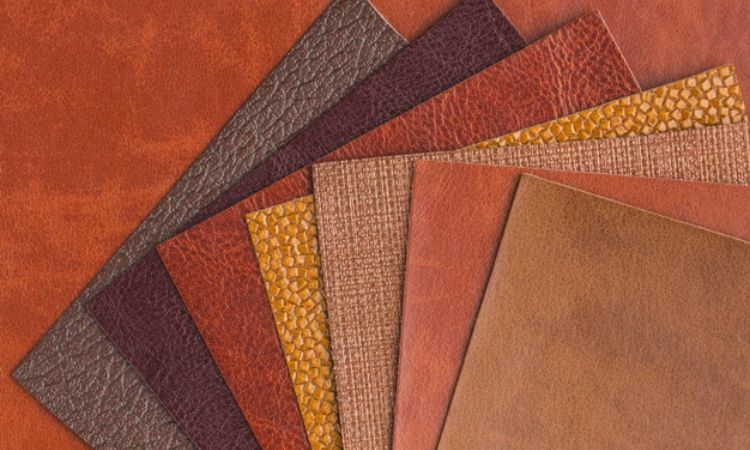
The word “faux” is French for “false” or “fake,” so the faux leather meaning is simply “imitation leather.” You will see the same material sold under several labels, including synthetic leather, leatherette, imitation leather, pleather, and vegan leather. The names are not always interchangeable, but they all point to a leather substitute that does not come from animal hide.
What Is Faux Leather Made Of?
Most faux leather has two layers. The base is a woven or knitted fabric, often polyester or cotton, which gives the material its strength and flexibility. On top sits a polymer coating, typically polyurethane (PU) or polyvinyl chloride (PVC), which creates the leather-like surface. Color, texture, and sheen are added during manufacturing, which is why faux leather is available in far more finishes than natural hide.
What Are the Different Types of Faux Leather?
Not all faux leather behaves the same way. The coating and the base material decide how soft, breathable, and durable the finished product will be.
PU Leather (Polyurethane)
PU leather is the most common type today. The polyurethane coating is softer and more flexible than PVC, and it has a more natural drape. It is also more breathable, which makes it a popular choice for jackets, handbags, shoes, and upholstery. Its main weakness is the surface layer, which can wear thin or peel with heavy daily use.
PVC Leather (Polyvinyl Chloride)
PVC leather is stiffer and more resistant to water and stains. That makes it practical for items that see heavy use, such as bag exteriors, commercial seating, and some padfolio covers. The trade-off is that it feels less natural, does not breathe well, and tends to be harder to recycle than other materials.
Microfiber and Plant-Based Leather Alternatives
Microfiber leather uses extremely fine synthetic fibers, usually with a PU finish, to create a denser and tougher material that handles wear better than standard PU. Plant-based alternatives are a newer category. They are made from sources such as cork, pineapple leaf fiber, apple waste, or cactus. Many of them still use a polymer binder or coating, so it is worth checking the product details instead of assuming they are fully natural.
What Is the Difference Between Faux Leather and Leather?
The question most shoppers ask is, ‘What is the difference between faux leather and leather?’ Real leather is made from tanned animal hide, while faux leather is made from fabric and plastic. That single difference affects almost everything else, from how the product ages to what it costs.
Faux Leather vs. Real Leather: Key Differences
Here is how real vs fake leather compares on the points that matter most:
| Feature | Faux Leather | Real Leather |
| Material source | Fabric base with PU or PVC coating | Tanned animal hide |
| Appearance | Uniform, consistent pattern | Natural variation in grain and markings |
| Feel | Smooth, sometimes slightly plastic | Soft, warm, and textured |
| Maintenance | Wipe clean with a damp cloth | Needs regular conditioning |
| Durability | Good, but the surface can peel or crack over time | Long-lasting with proper care |
| Aging | Wears down and degrades | Develops a patina |
| Typical cost | Lower | Higher |
The biggest practical difference is how each one ages. Real leather tends to soften and develop character over the years. Faux leather usually looks its best when new, and once the coating starts to break down, it is difficult to restore.
How to Identify Faux Leather When Shopping?
The easiest way to tell is to read the label. Terms like “genuine leather,” “full-grain,” or “top-grain” refer to real hide, while “PU,” “PVC,” “vegan,” “synthetic,” and “leatherette” point to faux leather. If there is no label, look at the edges and the back. Faux leather often shows a fabric layer underneath, and its grain pattern repeats evenly.
Real leather has a fibrous edge and a more irregular surface. If you are specifically after the natural material, browse genuine options such as leather legal pads and compare their materials directly.
What Are the Advantages and Disadvantages of Faux Leather?
Faux leather has become a popular choice for everything from fashion to furniture, but it isn’t a perfect substitute for the real thing. Before you commit to it for personal use or a large order, it’s useful to understand its strengths and weaknesses. Here’s a balanced look at both sides.
Benefits of Faux Leather
- Affordable: It costs noticeably less than real leather, which makes it practical for bulk or corporate orders.
- Wide range of finishes: Colors, textures, and prints are simple to produce and stay consistent from one batch to the next.
- Animal-free: It suits buyers who prefer not to use animal products.
- Easy to clean: Most spills wipe off the surface without any special treatment.
Drawbacks of Faux Leather
- Peeling and cracking: The top coating can flake over time, especially with heat, friction, or sun exposure.
- Hard to repair: Once the surface is damaged, it is rarely possible to fix it neatly.
- Less breathable: It can feel warm and sticky against skin.
- Environmental concerns: Most types are plastic-based and are not biodegradable, so the “cruelty-free” label does not automatically mean eco-friendly.
Where Is Faux Leather Commonly Used?
Those strengths and weaknesses explain why faux leather turns up in so many everyday products. Cost, appearance, and easy maintenance matter in a wide range of industries, and the material tends to land in the places where those priorities outweigh long-term durability. Let’s look at where you’ll see it most often and why it works so well in office accessories like Padfolios.
Clothing, Footwear, Bags, and Furniture
Faux leather shows up almost everywhere. Fashion brands use it for jackets, skirts, belts, and shoes because it is lighter and cheaper to produce. Furniture makers choose it for sofas and chairs since it resists spills and is easy to wipe down. It is also common in car seats, phone cases, handbags, and backpacks, where cost, color range, and cleaning ease matter more than longevity.
Faux Leather in Padfolios and Legal-Pad Holders
Office products are one of the best fits for the material. A padfolio gets carried daily, tossed into bags, and placed on conference tables, so a wipe-clean cover with a consistent finish is useful. It also keeps costs manageable when you are ordering for a whole team or a client giveaway. Options like vinyl and imitation-leather padfolios give businesses a professional look at a lower price point, and they can often be customized with a logo.
If you want something that looks sharp in client meetings, choosing a padfolio for business meetings is a good place to start.
How Long Does Faux Leather Last, and How Do You Care for It?
There is no single lifespan for faux leather. With careful use, a good-quality piece can last for several years, while a cheap one may start to wear in a much shorter time. The outcome depends on a few things you can control.
What Affects Faux Leather Durability?
The coating quality and the base fabric matter most. Microfiber and thicker PU or PVC constructions generally outlast thin, low-cost ones. How you use the product also plays a part. Constant friction, direct sunlight, heat, and sharp objects all speed up wear. Storage conditions matter too, since humidity and high temperatures can weaken the coating.
How to Clean and Maintain Faux Leather
- Wipe the surface regularly with a soft, damp cloth.
- For marks, use a little mild soap and water, then dry with a clean cloth.
- Avoid alcohol, bleach, and harsh solvents, which can damage the coating.
- Keep it away from radiators, car dashboards, and direct sun.
- Do not use oil-based leather conditioners, as they do not absorb into synthetic material.
- Store it flat or hung loosely so it does not crease.
How Do You Choose the Right Leather Alternative?
Now that you know what is faux leather and how it behaves, choosing gets easier. Start with your budget and how often you will use the item. Check the material composition and the care instructions on the label. Think about comfort, appearance, and whether you will be able to repair it.
For office accessories, pay close attention to the cover material and stitching quality, since those decide how well the product holds up. When you are weighing real vs fake leather, remember that real leather suits long-term investment pieces, while faux leather suits budget-conscious, high-volume, or style-driven needs.
FAQs
Is Faux Leather Real Leather?
No. Faux leather is a synthetic material made from fabric and plastic coatings. Real leather comes from animal hide. Some products labelled “bonded leather” contain leather scraps mixed with other materials, so always read the description closely.
Is Faux Leather Waterproof?
It is water-resistant, not fully waterproof. The coated surface repels spills, but water can seep through seams, stitching, and damaged areas. Wipe off moisture quickly to protect it.
Does Faux Leather Peel or Crack?
It can. Peeling and cracking usually appear after prolonged friction, heat, or sun exposure, and lower-quality coatings tend to fail sooner. Choosing a thicker material and following proper care steps helps delay it.
Is Vegan Leather Always Environmentally Friendly?
Not necessarily. Vegan leather avoids animal products, but many versions are made from PU or PVC, which are plastics. Plant-based options can be a better choice, though they often include synthetic binders. Look at the full material breakdown before assuming it is eco-friendly.