Paper has a way of sticking around. A company can invest in new software, move files to the cloud, and run meetings on video calls. Yet printed contracts still land on desks. Meeting notes still get scribbled on notepads. Client documents still travel from one office to another in paper form.
The problem starts when those pages have no place to go. A few sheets on a desk do not look like much. Then another document gets added, followed by meeting notes, project updates, and paperwork that needs a signature later. Before long, finding the right page takes longer than expected.
That is one reason the paper holder remains common in professional workplaces. They help keep documents together, make information easier to access, and reduce the chance of important papers getting lost or damaged. Some are made for everyday use in an office; some are more suitable for meetings, presentations, or simply carrying documents from one place to another.
If you are comparing different options, it helps to understand how each type works and where it fits best. This guide looks at the most common types of paper holders used by professionals and businesses, along with informative tips for choosing one that suits your requirements.
What Is a Paper Holder?
Most people have used a paper holder without giving it much thought. It could be a padfolio carried into a meeting, a document folder holding client paperwork, or a legal pad holder sitting on a desk with notes tucked inside.
A paper holder is simply something that keeps papers together and makes them easy to manage. Instead of dealing with loose pages that slide around, get mixed up, or disappear into a pile of documents, you have a designated place to keep everything organized.
That sounds basic, but it matters more than people think. When you are moving between meetings, reviewing documents with a client, or working through a stack of paperwork, having everything in one place saves time and cuts down on unnecessary frustration.
You will see paper holders used in all kinds of professional settings. Attorneys use them to carry case notes and legal documents. Office teams use them to manage reports, contracts, and project files. Business professionals often bring them into meetings to keep agendas, notes, and reference materials together.
The term “paper holder” covers several different products, and each one serves a slightly different purpose. Some are built for carrying documents. Others focus on organization at a desk. A few combine storage, note-taking, and presentation features in a single solution. Understanding those differences makes choosing the right option much easier.
Why Paper Holders Still Matter in Professional Workplaces?
People have been talking about paperless offices for years. Yet if you walk into most workplaces, you will still find printed documents on desks, in meeting rooms, and inside briefcases. Contracts, reports, project notes, client paperwork, and meeting agendas continue to play a role in many industries. Because of that, the paper holder still serves as a useful part of everyday work.
Keeping Important Documents Organized
Anyone who works with paperwork knows how quickly things can get messy. A few pages from one project end up mixed with notes from another. Before long, finding a specific document takes longer than it should.
A paper holder gives those documents a proper place. Instead of dealing with loose sheets spread across a desk or tucked into different folders, everything stays together. This is especially helpful for professionals who manage multiple clients, cases, projects, or accounts at the same time.
Improving Accessibility During Daily Work
Good organization is not only about keeping things organized and clean. It is also about making information easier to reach when you require it. Think about a meeting where someone asks for a contract, a report, or notes from a previous discussion. When documents are stored in one place, you can find them quickly instead of searching through stacks of paper. Those small moments add up during a workday.
Protecting Papers From Damage and Loss
Important documents do not stay in perfect condition for long when they are carried around without protection. Corners get bent, and pages tear. Papers can even go missing when they are mixed with other materials. Using a paper holder helps reduce those problems. Documents stay together and remain in better condition, especially when they travel between offices, meetings, or job sites.
Creating a More Professional Appearance
The business still matters in presentation. If you walk into a meeting with your documents in order, it makes a different impression than if you carry a handful of loose papers. A well-organized paper holder shows preparation and attention to detail. It also makes it easier to present information clearly, which can be valuable during client meetings, interviews, presentations, and other professional interactions.
Different Types of Paper Holders for Professionals and Businesses
Not every paper holder serves the same purpose. Some are designed for carrying documents between meetings. Others are better suited for keeping paperwork organized at a desk. The right choice usually depends on how you work and the type of documents you handle most often.
Legal Pad Holders
Legal pad holders are a common sight in law offices, corporate settings, and client-facing roles. They are built around a legal pad and usually include space for storing loose documents, business cards, or reference materials. What makes them useful is their simplicity. Instead of carrying a notebook and a separate folder, everything stays together in one place. Many professionals use legal pad holders during meetings because they can take notes while keeping supporting documents close at hand. They work particularly well for attorneys, consultants, managers, and anyone who regularly attends meetings or reviews paperwork throughout the day.
Padfolios
Padfolios take the idea of a legal pad holder a step further. Along with a writing pad, they often include pockets, card slots, pen loops, and dedicated storage for important documents. Many people choose a padfolio when they want something that looks polished without being bulky. It is often the item professionals carry into interviews, client meetings, conferences, and presentations because it keeps everything organized while remaining easy to transport. Executives, sales professionals, consultants, and job seekers are among the most frequent users of padfolios.
Document Holders
Document holders focus less on note-taking and more on protecting paperwork. They are designed to keep documents flat, clean, and easy to transport from one location to another. If you regularly carry contracts, reports, proposals, forms, or client files, a document holder can prevent pages from becoming bent or mixed. Some styles are very simple, while others include multiple compartments for sorting different documents. These are often used by office staff, administrative teams, accountants, and professionals who handle large amounts of paperwork during the workday.
Presentation Folders
Presentation folders are often used when documents need to be shared with other people. Unlike a legal pad holder or padfolio, their main job is to keep papers organized and presentable during meetings, proposals, training sessions, or client discussions. Many businesses use presentation folders to hold contracts, marketing materials, company information, or printed reports. Everything stays neatly arranged, which makes documents easier to review and distribute. They are a practical choice for sales teams, business owners, real estate professionals, educators, and anyone who regularly hands out printed materials during professional interactions.
Clipboard Paper Holders
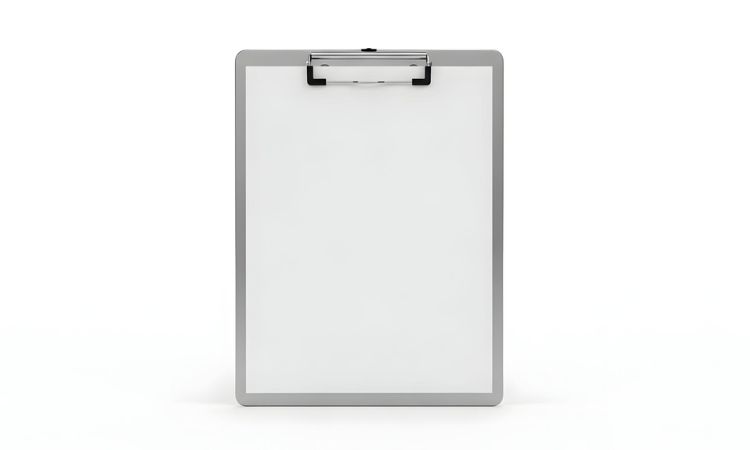
Some jobs require people to move around while writing or reviewing documents. In those situations, a clipboard paper holder can be a better fit than a traditional folder. Most designs include a sturdy writing surface and secure storage for forms, checklists, permits, inspection reports, or notes. Some even open like a case, allowing users to store additional paperwork inside. You will often see a clipboard paper holder used by field supervisors, healthcare workers, inspectors, warehouse managers, and construction professionals who need a portable workspace throughout the day.
Desktop Paper Organizers
Not every paper holder is meant to travel. Some are designed to solve a different problem altogether: keeping a busy desk under control. Desktop paper organizers help separate incoming paperwork, active projects, invoices, reference documents, and files waiting for review. Instead of creating one large stack of papers, they give each category its own place.
Each of these paper holders serves a different purpose. A legal pad holder may work well for meetings and note-taking, while a document holder is better suited for transporting paperwork. Understanding those differences makes it much easier to choose a solution that matches the way you work.
How to Choose the Right Paper Holder for Your Needs?
There is no single paper holder that works for everyone. The best choice often depends on how you work, where you work, and what you need to carry throughout the day. A product that feels perfect for one person might be completely unnecessary for someone else.
Consider Your Work Environment
Start by looking at where you spend most of your working hours. Someone who works primarily at a desk may need a different solution than someone who moves between offices, job sites, courtrooms, or client meetings. For example, a desktop organizer makes sense when paperwork stays in one place. A padfolio or document holder is usually a better fit if documents travel with you. Thinking about your work environment first can narrow down your options pretty quickly.
Evaluate How Many Documents You Carry
The amount of paperwork you handle matters more than many people realize. If you only carry a notepad and a few documents, a simple legal pad holder may be enough. If you regularly work with contracts, reports, forms, or client files, you may need something with additional storage and multiple sections. A common mistake is choosing a holder that is too small. It works well at first, then becomes frustrating once documents start piling up.
Think About Portability Requirements
Some people rarely leave their desks. Others spend a large part of the day moving between meetings and locations. If portability is important, pay attention to size, weight, and how easily the holder fits into a briefcase, backpack, or work bag. A bulky organizer may offer extra storage, but it can become inconvenient if you carry it everywhere. The goal is to find a balance between storage space and everyday comfort.
Choose the Right Material
Material affects both appearance and durability. Leather is often chosen for executive settings and frequent client interactions because it offers a polished look. Faux leather provides a similar appearance at a lower cost. Vinyl and plastic options are often selected for practical everyday use because they are simple to clean and maintain. The right choice usually comes down to budget, work style, and personal preference.
Consider Branding and Customization Options
Businesses often use paper holders for more than organization. They can also support a professional brand image. Custom logos, company names, or personalized designs can create a more consistent appearance during meetings, conferences, and client presentations. This is one reason many firms choose customized legal pad holders, padfolios, and document holders for employees and team members.
A paper holder may seem like a small detail, but choosing the right one can make daily document management much easier while supporting the way you work.
Common Mistakes When Selecting a Paper Holder
Choosing a paper holder seems straightforward until you start using it every day. Many people focus on the first thing they see, then realize later that the holder does not fit the way they actually work. A little thought up front can prevent that frustration.
Choosing the Wrong Size
Size is one of the most common issues. A paper holder might look perfect online or on a store shelf, but if it cannot comfortably fit the documents you carry, it quickly becomes a problem. Some people buy compact holders because they look convenient, only to find themselves folding papers or carrying extra documents separately. It helps to think about the largest documents you handle regularly, not just the ones you carry today.
Prioritizing Appearance Over Functionality
A sleek design can be appealing, especially for professional settings. The problem is that a good-looking paper holder is not always the most practical one. Many people choose a holder based on style and then discover it lacks enough storage, pockets, or writing space for daily use. A paper holder should look professional, but it should also make your work easier. If it does not do that, the appearance stops mattering pretty quickly.
Ignoring Durability
Not every paper holder is built for the same level of use. Someone who carries documents between meetings every day will place far more wear on a holder than someone who keeps it on a desk. Materials, stitching, closures, and overall construction become more important over time. Replacing a worn-out holder after a few months often costs more than choosing a durable option from the beginning.
Overlooking Future Storage Needs
Many people buy for their current workload and forget that their needs may change. A holder that works well for a few documents today may feel cramped once new projects, clients, or responsibilities are added. Choosing a little extra storage space can provide flexibility without making the holder bulky or difficult to carry.
In most cases, the best paper holder is not the most expensive or the most impressive-looking one. It is the one that fits naturally into your daily routine and continues to work well as your needs evolve.
Conclusion
If there is one thing worth taking away from all of this, it is that paper holders are not really about paper. They are about avoiding the frustrations that come with working around loose documents every day. Most people have dealt with misplaced notes, folded pages, or that moment when the document they need is sitting somewhere in the wrong pile. It happens. A good paper holder does not solve every organizational problem, but it does give important documents a place to live. Sometimes that is all you need. Whether it is a legal pad holder, a padfolio, or a simple document folder, the best option is usually the one that fits naturally into your workday and quietly does its job.
FAQs
What are the different types of file holders?
There are quite a few, and each serves a different purpose. Legal pad holders are popular for meetings and note-taking. Padfolios combine document storage with a writing pad. You will also find document holders, presentation folders, clipboard holders, and desktop organizers used in offices and business settings.
What is a document holder called?
People use different names depending on the style. Some call it a document holder, while others refer to it as a file folder, portfolio folder, document organizer, or paper holder. The terms often overlap, especially in office environments.
Are there free document organizers?
Yes. If you are organizing digital files, there are plenty of free tools available. For paper documents, many people start with what they already have, such as folders, binders, desk trays, or filing boxes. You do not always need to buy a dedicated organizer right away.
What’s the best way to organize documents?
The best system is usually the one you will actually stick with. Keep related documents together, give them clear labels, and avoid storing the same type of paperwork in multiple places. When everything has a designated spot, finding a document later becomes much less frustrating.