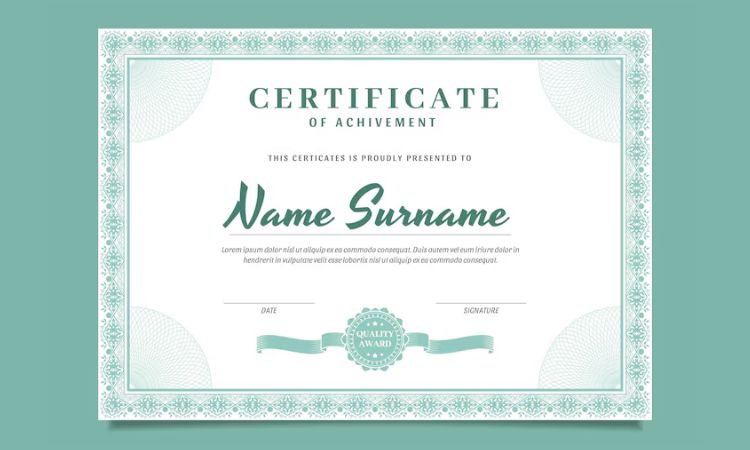
Professional recognition reflects effort, skill, and responsibility. A certificate gives that recognition a physical form. The paper you choose shapes how the message feels at first glance. Thin sheets bend and fade. Strong paper adds structure and trust. You may issue certificates for training programs, academic milestones, legal records, or corporate awards. In each case, paper quality speaks before the reader examines the details. Good paper supports clean printing, safe handling, and long-term storage. It also signals that the achievement deserves respect. This guide explains how premium certificate paper supports professional recognition. You will learn how paper type, size, and finish influence clarity, durability, and presentation. The goal is to help you choose a paper that matches the value of the achievement.
What Certificate Paper Means for Professional Recognition
Certificate paper refers to high-quality paper used for official certificates, awards, and formal recognition. This paper differs from regular office sheets in weight, surface, and strength. It feels solid in the hand and stays flat after printing. That first impression carries weight. Professionals judge quality before reading the content. Paper choice also affects trust. Weak paper bends, curls, or shows ink bleed. These signs reduce credibility. Strong certificate paper supports clean text, sharp borders, and clear seals. It also handles signatures and stamps without damage.
Recognition extends beyond the event. Many certificates remain framed or stored for years. Certificate paper resists yellowing and tearing. This makes it suitable for professional environments where documents must look credible and stay preserved.
How Certificate Printing Paper Supports Clear and Durable Results
Certificate printing paper determines how clearly a certificate prints and how well it holds up over time. Quality paper absorbs ink evenly, and text appears sharp. Borders and seals stay defined. Paper weight affects how the certificate handles during use. Thicker paper supports signing and stamping without bending. It reduces the risk of folds and surface damage during distribution.
Print quality also depends on paper stability. Printers produce consistent results when paper weight and surface match formal document needs. Typing paper suits everyday tasks. It lacks the control required for certificates. Certificate printing paper supports clear output and protects the document during presentation and storage.
Certificate Paper Size Standards Used for Award Certificates
The certificate paper size affects how a certificate prints, displays, and remains protected. Standard sizes make certificates easy to frame, store, and place in covers. They also provide enough space for names, signatures, and official details.
The table below shows common certificate paper sizes and their typical use:
| Certificate Paper Size | Common Use Case | Why It Works Well |
| Letter (8.5 × 11 in) | Training and corporate certificates | Easy to print, frame, and store |
| Legal (8.5 × 14 in) | Legal and formal recognition | Extra space for seals and text |
| A4 (8.27 × 11.69 in) | International and academic use | Global standard size |
| Half Letter | Short-term or internal awards | Compact and cost-efficient |
Certificates should fit cleanly into certificate covers. Proper sizing keeps edges flat and prevents surface wear. Choosing the right certificate paper size improves layout, presentation, and long-term care for award certificates.
Top 10 Premium Certificate Paper Types Used for Professional Recognition
Paper type affects how professional recognition is received and preserved. The right paper supports clarity, credibility, and long-term value. Each option below serves a specific professional purpose and works well for official certificates.
Parchment Certificate Paper for Formal Recognition
Parchment certificate paper has a lightly textured surface that gives certificates a formal and established appearance. The texture adds depth while keeping the text clear and easy to read. This paper works well for professional recognition where authority and tradition matter. Legal certificates, academic awards, and institutional documents commonly use parchment paper. It supports clean printing, holds shape during handling, and suits certificates that need to remain presentable over time.
Linen Finish Certificate Paper for Corporate Programs
Linen finish certificate paper has a clean textured surface that gives certificates a professional look. The paper prints clearly and keeps the text easy to read. Many organizations use this paper for employee awards and training certificates. It handles signing and presentation without bending. Linen finish paper works well for certificates used in offices where clarity and consistency matter.
Cotton-Based Certificate Paper for Long-Term Records
Cotton-based certificate paper uses natural fibers that improve strength and flexibility. The paper stays flat and resists surface damage during handling. Text prints cleanly and remains readable over time. Many institutions use this paper for academic records, licenses, and official certificates that require long-term storage. Cotton-based paper works better when preservation and document reliability are required.
Heavyweight Card Stock for Display Awards
Heavyweight card stock provides a thick and stable surface for certificates. The paper holds its shape during handling and framing. It supports bold borders, seals, and signatures without bending. Organizations use this paper for award certificates presented at ceremonies or displayed in offices.
Watermarked Certificate Paper for Official Validation
Watermarked certificate paper includes a built-in design visible under light. This feature helps confirm authenticity and reduces duplication risks. The paper prints cleanly and keeps text clear. Institutions use this paper for official certificates, compliance records, and regulated recognition. Watermarked paper suits documents that require verification and controlled use while maintaining a professional appearance.
Laid Texture Paper for Traditional Certificates
Laid texture paper has fine visible lines that give certificates a formal look. The surface allows text and borders to print clearly. Many academic institutions and professional bodies use this paper for official certificates. It suits recognition that follows standard formats and long-used presentation styles. Laid texture paper works best when consistency and clear structure are required.
Recycled Premium Certificate Paper for Responsible Recognition
Recycled premium certificate paper uses processed fibers while maintaining strength and print clarity. The paper supports clean text and reliable handling during use. Many organizations choose this option to align recognition with responsible choices. It works better for professional certificates where quality and environmental awareness both hold value. Recycled premium paper fits recognition programs that balance presentation with purpose.
Pearl Finish Certificate Paper for Executive Recognition
Pearl finish certificate paper has a smooth surface with a soft light effect. The finish adds a clean and polished look without drawing attention away from the content. Text, seals, and borders stay clear after printing. Organizations use this paper for leadership awards and senior-level recognition. Pearl finish paper works for certificates presented during formal meetings or executive events where presentation quality is important.
Embossed Certificate Paper for High-Status Recognition
Embossed certificate paper includes raised patterns that add texture to the surface. The raised areas create a clear sense of depth while keeping text readable. Organizations use this paper for special recognition where status and importance need to be clear at first touch. Embossed paper works for limited awards, honorary certificates, and formal recognitions where presentation carries strong value.
Archival Certificate Paper for Permanent Preservation
Archival certificate paper is designed for long-term storage. The paper resists discoloration and surface breakdown over time. Text and printed details remain clear with proper care. Institutions use this paper for legal records, academic credentials, and official certificates that require lasting preservation. Archival paper supports recognition that must remain readable and reliable for many years.
How Certificate Design Should Align With Premium Paper?
Certificate design and paper choice must work together. Paper texture affects how text and borders appear after printing. Simple fonts stay clear on textured paper. Clean spacing improves readability. Overcrowded layouts reduce clarity.
Borders, seals, and signatures need enough contrast to stand out. Premium paper supports sharp lines and defined edges. Color choice also matters. Soft backgrounds improve text visibility and reduce strain.
Many organizations align certificate design with other printed materials, such as custom legal pads, to maintain consistency. When design and paper match the purpose of recognition, the certificate feels organized, professional, and easy to read.
When a Custom Certificate Is the Right Choice?
Use a custom certificate when recognition needs accuracy and clear identification. Custom certificates allow control over paper type, layout, and printed details. This helps match the certificate to the purpose of the recognition.
Training programs use custom certificates to confirm completion. Organizations use them for employee awards and internal records. Legal and institutional settings rely on custom certificates to maintain consistency across documents.
A custom certificate supports clarity and trust. It shows that recognition follows a defined standard. When certificates represent official achievement, customization helps communicate that meaning clearly.
How to Choose the Right Certificate Paper for Your Use Case
Choosing certificate paper starts with a clear purpose. The paper must match how the certificate will be used and stored. Use the points below to make the right choice:
- Identify the purpose: Decide if the certificate is for training, academics, legal records, or corporate awards.
- Check printing needs: Match the paper weight and surface with the printer used for certificates.
- Plan display and storage: Select paper that fits frames, holders, or covers without bending.
- Consider how long it must last: Use durable paper for certificates kept as records or credentials.
The right certificate paper supports clarity, handling, and long-term use. A clear match between paper and purpose keeps professional recognition accurate and reliable.
Conclusion
Certificate paper shapes how professional recognition is seen and kept. The right paper supports clear printing, easy handling, and safe storage. It also helps the certificate feel organized and trustworthy. Different paper types serve different needs, such as long-term records or formal presentations. Choosing paper that matches the purpose keeps recognition consistent and clear. Careful paper selection helps certificates remain useful and meaningful over time.
FAQs
What should I write in an award of recognition for students?
Write the student’s name, the achievement, and the date. Keep the message clear and positive. Add the institution name and signature for authenticity.
What is the meaning of the best paper award?
A best paper award honors a paper with strong research, clear writing, and a useful contribution to the subject.
What is the best paper for award certificates?
Premium certificate paper works best. Cotton-based, parchment, or linen finish papers provide durability and professional appearance.
What kind of paper should I use for a certificate?
Use high-quality certificate paper that prints clearly and feels strong. Choose thicker paper for display and durable paper for long-term records.